
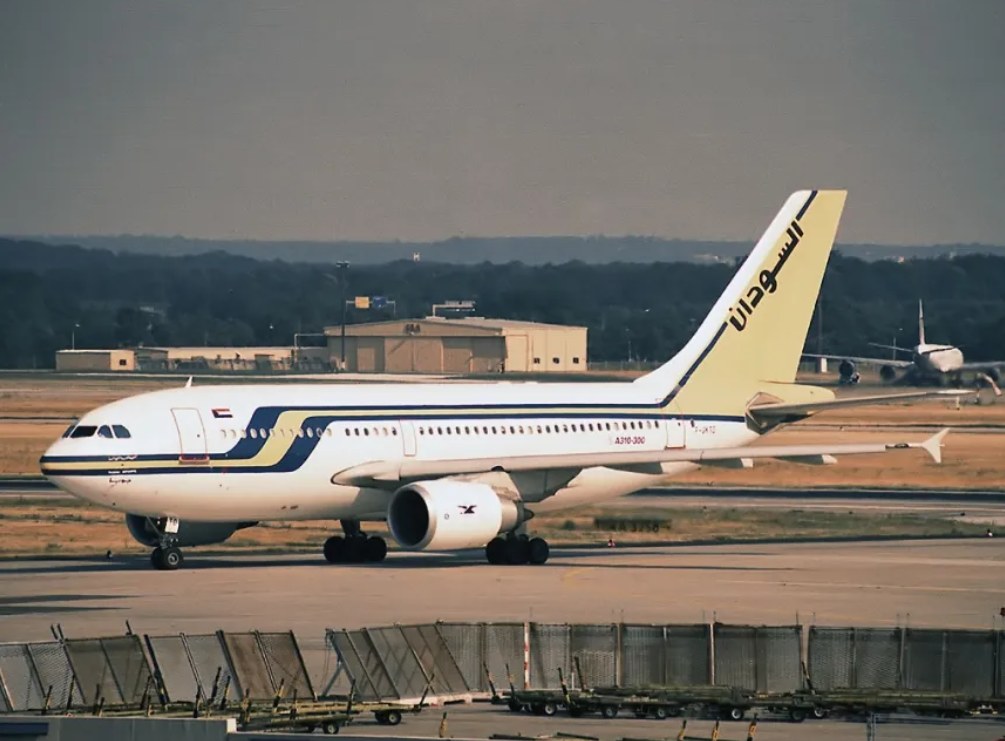
Civil Aviation: Bridges Connecting the World
Civil aviation is one of the most prominent achievements of human progress and the most important means of global connection in the modern age. Aircraft have turned the world into a small village, where travelling between continents takes hours instead of weeks or months.
The Development of the Aviation Industry
The aviation industry has developed remarkably since the Wright brothers' first successful flight in 1903. From wooden aircraft with primitive engines to giant jets able to carry hundreds of passengers, flying has become a safe and efficient means of mass transport.
The Importance of Civil Aviation for Development
Civil aviation plays a central role in economic development by:
- Strengthening international trade and tourism
- Creating direct and indirect employment
- Attracting foreign investment
- Facilitating the transfer of expertise and technology
- Connecting communities and cultures
Aviation Safety Standards
Safety is the highest priority in the air transport industry. All airlines are subject to strict standards set by regulatory bodies such as the International Civil Aviation Organization (ICAO). These standards include:
- Precise, regular aircraft maintenance
- Intensive training for flight and cabin crews
- Advanced surveillance and communication systems
- Strict security protocols at airports
Challenges and Future Opportunities
The aviation industry faces many challenges, such as fluctuating fuel prices, climate change and intense competition. Yet future opportunities are promising, with the development of electric and hybrid aircraft, improved fuel efficiency and the use of artificial intelligence in managing operations.
The Role of Sudan Airways
Since its founding in 1946, Sudan Airways has been a national symbol of connection and development. The company helps connect Sudan with the world, supports the national economy and provides air services that meet the highest standards of quality and safety. With its future development plans, Sudanair aims to keep pace with the latest advances in the global aviation industry.
In conclusion, civil aviation remains the lifeline of the global economy, a bridge between peoples and a driver of technological progress. With continued technical development and growing environmental awareness, we expect a brighter future for an industry that combines efficiency, sustainability and innovation.